Vorapix

Shots Kling AI Puts On Screen That a Crew Cannot

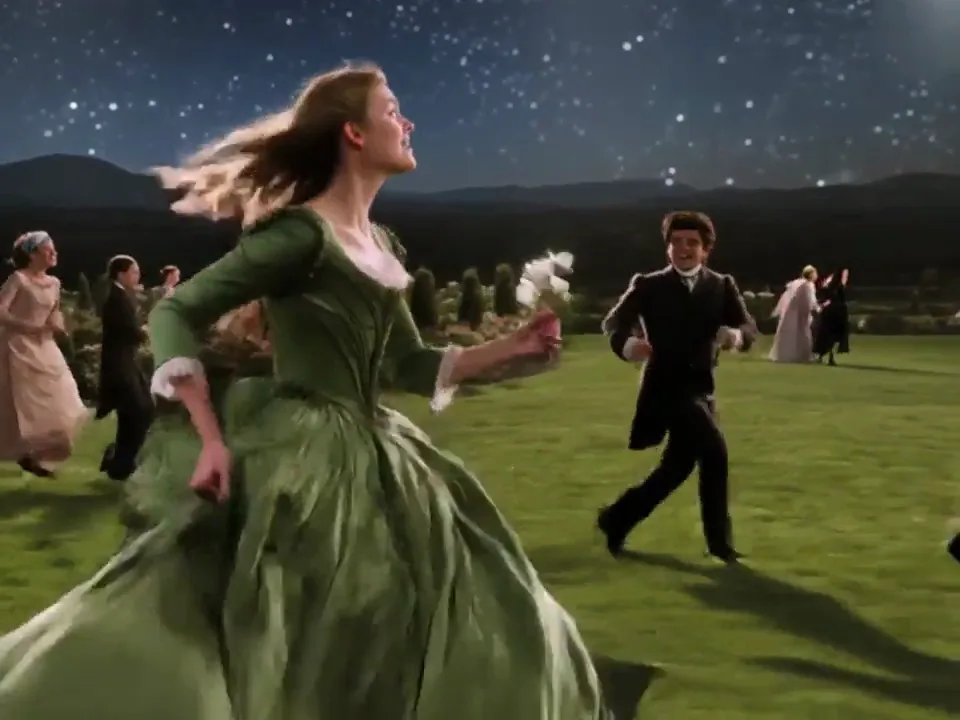
Three Kling AI takes that exist only because nothing had to be staged, insured or rigged.

01 / 03

Put a Freefall On Screen Without a Jump Permit

Two bodies tumbling in open air is a shoot nobody signs off twice. Limb drag, roll rate and horizon swing carry through the descent.

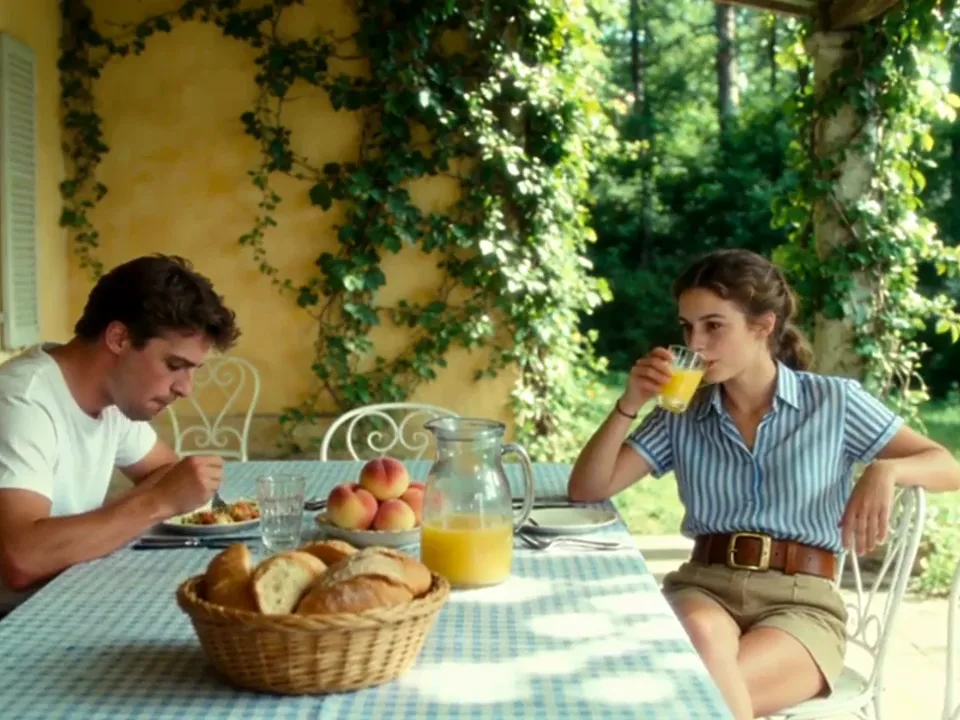
02 / 03

Move a Hundred Bodies With No Crowd Call Sheet

A charge wants extras, horses and a field for a day. Here Kling AI makes mass behave like mass: banners lag, ranks compress on rising ground.

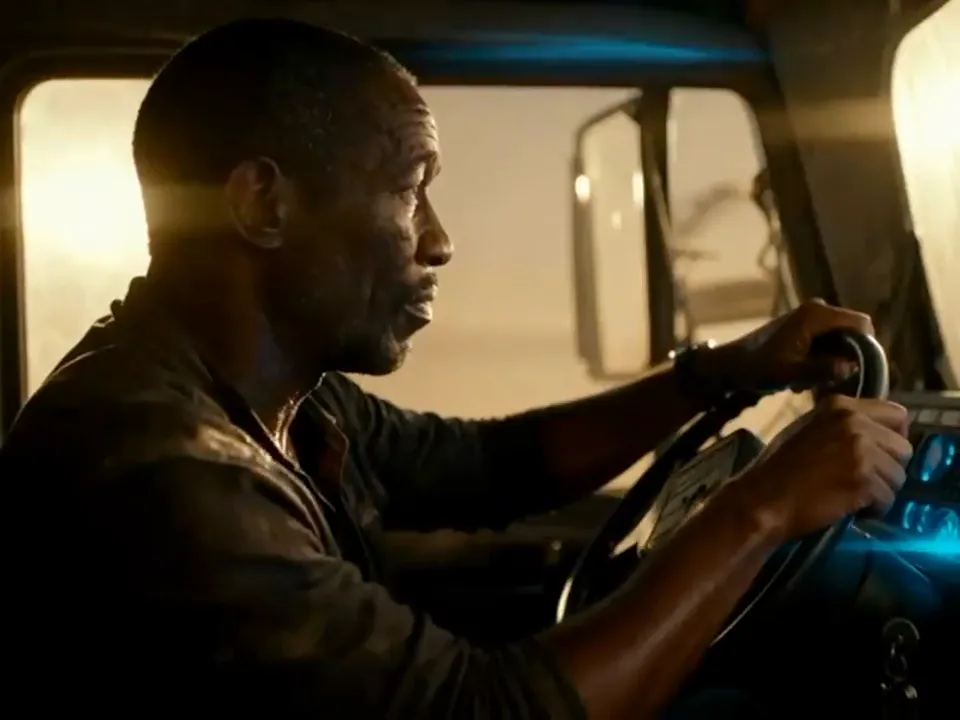
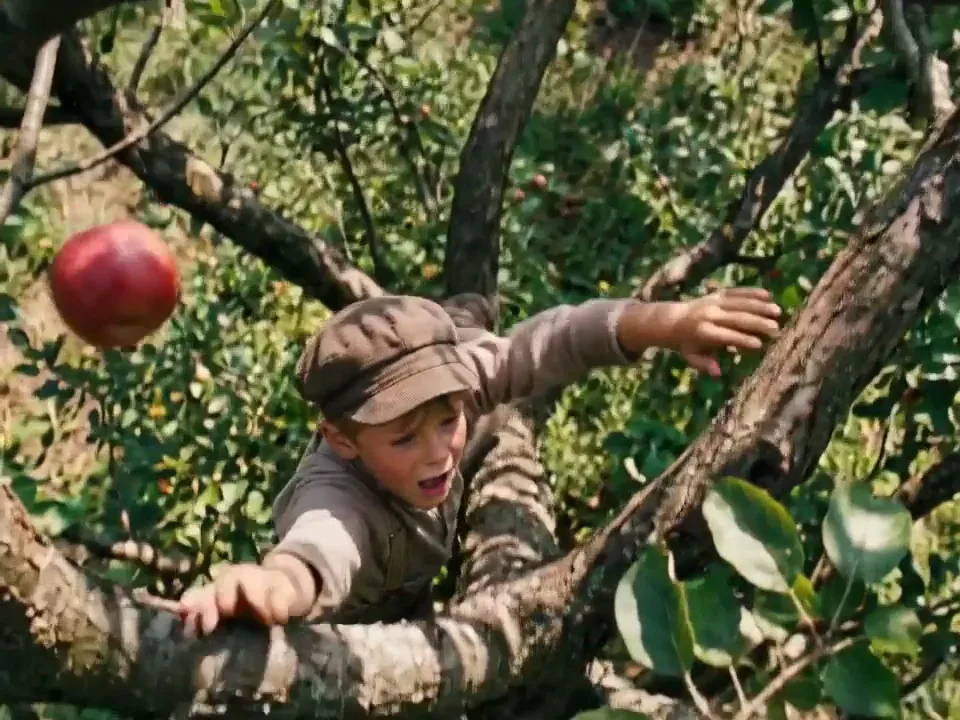
03 / 03

Hold One Action From Rigging to Splash

Climb, jump, hit water — three beats a crew covers as three setups. One Kling AI take keeps body, rigging and light continuous throughout.

How Kling AI Turns a Written Shot Into Movement

Your brief is read in two halves: what stands in the frame, and how it should move. Rather than warping a still, Kling AI predicts the next seconds from physical behaviour it has learned — mass, contact, momentum, cloth, water. Hand it 2,500 characters, optional opening and closing frames, and a length of 5, 10 or 15 seconds; back comes 720p, 1080p or 4K. Vorapix runs Kling AI as an independent platform, unaffiliated with the model's makers.

A runner's skirt and hair carrying momentum across a moonlit field in a Kling AI take

Three Places You Steer a Kling AI Take

Words, frames and format — the controls that decide how a shot moves.

A wide two-shot cutting to a close-up inside one Kling AI take

Direct the Camera, Not Only the Subject

The prompt box takes 2,500 characters, room for a shot list. Push in, orbit, tilt down, hold wide — Kling AI reads those as lens instructions.

On This Panel

  • Room for a Shot List

    2,500 characters of direction per run

  • Moves You Can Name

    Push, orbit, tilt, crane, hold

  • Shot Scale Counts

    Wide, medium and close read differently

What the Kling AI Panel Actually Hands You

Six Kling AI controls and output specs, every one visible on screen.

01Physics

Weight, Contact, Follow-Through

Bodies land, cloth lags, water displaces on entry

02Camera

Moves Written as Words

Push, orbit, tilt and crane act as lens directions

03Frames

Opening and Closing Slots

Two image slots bracket what a run must do

04Length

Five, Ten or Fifteen Seconds

Length chosen per run, never trimmed after

05Finish

720p, 1080p or 4K

One brief, three finishing tiers

06Brief

2,500 Characters of Direction

Room to write coverage, not a caption

Who Sends Shots Through Kling AI First

Six desks with a shot they cannot book.

A writer working through pages at a typewriter

Writers Checking Whether a Scene Plays

A page reads fine and dies in the room. Blocking the beat settles who moves first and where the camera sits.

Typical Takes

  • Two-hander, five seconds
  • Same beat, reversed
  • Held wide before the cut
  • Ten seconds of silence
A creative studying a wall of pinned references

Brand Teams After a Place They Cannot Book

A rural platform at first light, blossom on the line, a train retired years ago. Scouting ends there.

Typical Takes

  • A period platform at dawn
  • Same setup, recut vertical
  • Slower push, end card
  • Fifteen seconds, one beat
A camera operator carrying a cinema camera

Explainer Channels Short of Macro Inserts

Wing beats, droplets, an insect leaving a leaf — shots wanting a rig, a day and luck.

Typical Takes

  • Macro hold on a shell
  • Take-off in slow motion
  • Rack focus to background
  • 4K insert in a wide
A videographer filming a basketball game courtside

Coaches Explaining a Movement Frame by Frame

A landing, a pivot, a follow-through: the moment that matters is the one nobody filmed.

Typical Takes

  • A landing held on impact
  • Same move, side angle
  • Slow enough to count
  • Looped for a class
Dancers rehearsing at the barre in a studio

Choreographers Blocking a Routine Before the Room

Studio hours come in blocks and dancers cost more than ideas. Seeing the phrase move once settles the count.

Typical Takes

  • Eight counts, one take
  • Entrance from the wing
  • Same phrase, wider frame
  • A lift before the lift
A designer sketching an eyewear frame at a bench

Product Teams Showing How a Thing Moves

A hinge, a latch, a lid that should feel expensive. The prototype is weeks away; the deck is due Friday.

Typical Takes

  • A hinge opening once
  • Close on the latch
  • Same object, softer light
  • Looped for the deck

Three Moves to a Finished Kling AI Take

What you touch on the panel, in order.

  1. 01
    Step

    Write the Movement, Then the Subject

    Open with how the shot moves and where the camera goes, then say what it finds.

  2. 02
    Step

    Bracket the Take If It Matters

    Drop in an opening frame, a closing frame, or neither — then set length, finish tier and shape.

  3. 03
    Step

    Watch the Physics, Then Re-Run

    Play it back for contact and weight rather than style, and re-run the take that held at a higher finish.

Kling AI Questions Worth Settling Before a Run

Motion, camera, limits, cost and rights before a first run.

Why does the motion keep its weight when a body lands or turns?

Kling AI predicts frames from physical behaviour, not pushed around a still: mass carries through a landing, cloth lags, water displaces.

Which camera moves does Kling AI act on, and which get quietly dropped?

Single named moves land reliably: push in, slow orbit, tilt down, locked hold. Stacked instructions compete, so three at once returns one.

Why is naming a camera move here not the same as keyframing one?

An editor moves a virtual camera over existing footage, so a push in is a crop. Here frames are generated, revealing detail nobody shot.

Do the opening and closing frame slots change how the Kling AI camera behaves?

Yes. Filling both ends states where the composition must finish, so the path between is bounded. Fill neither and it improvises.

Does a subject stay itself when a take changes shot scale mid-clip?

Usually. Faces, wardrobe and set hold from wide to close inside one run. Consistency thins as runs lengthen and characters multiply.

Which motion still breaks in a Kling AI clip, and what reduces it?

Fast hands, dense crowds close to camera, and fine repeating structure — spokes, ropes, keyboards. Pull back and shorten the run.

How is the credit cost worked out before I commit?

Cost scales with length, finish tier and generated audio, and the figure sits on the run button before deduction. The 10 starting credits suit free-tier engines.

Who owns the footage, and where can it legally play?

Commercial use follows your plan rather than this page, so read the pricing terms. Uploads into the frame slots stay your responsibility.

What has to be true about my account before a take will start?

Generation starts once you sign in, and an unfinished brief is held as a draft. Kling AI needs Basic or above; 4K sits on Pro.

Vorapix

What Would You Shoot With No Crew to Book?